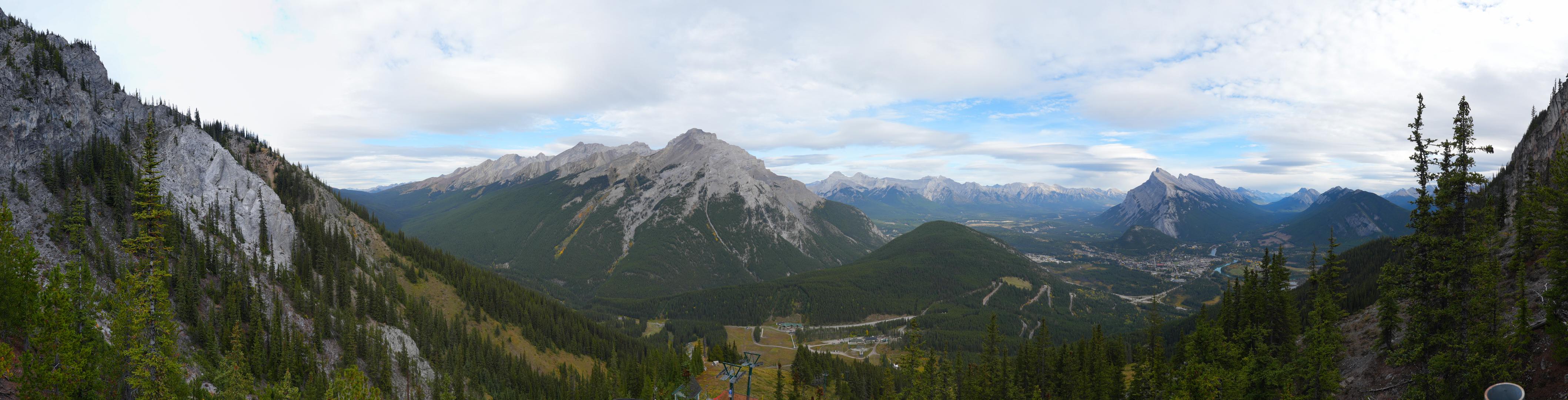
Mountain cams where it is dark right now, anywhere in the world, with the live geomagnetic numbers that decide whether aurora is likely. As night moves west, so do the cams. When a storm is running, cams under the aurora forecast come first.
Geomagnetic conditions
Kp index, past day and forecast
0.0 Kp now · 3.0 max past 24 h
solid: observed · outlined: NOAA forecast · line: now (UTC)
Kp runs 0 to 9. At 5 and above NOAA calls it a geomagnetic storm (G1 to G5), and aurora reaches further from the poles as it climbs.
Solar wind at L1, last 3 hours
0.8 nT Bz · 379 km/s · 2.4 p/cm³
shaded: southward (negative) · 47 of the last 60 min southward
Bz is the north-south direction of the solar wind's magnetic field. When it turns south (negative) and stays there, energy couples into Earth's field and aurora brightens, typically 30 to 60 minutes later.
Moon
18% lit · waning crescent
Next new moon about Oct 11. A dark moon leaves faint aurora and the Milky Way visible on cams away from town lights.
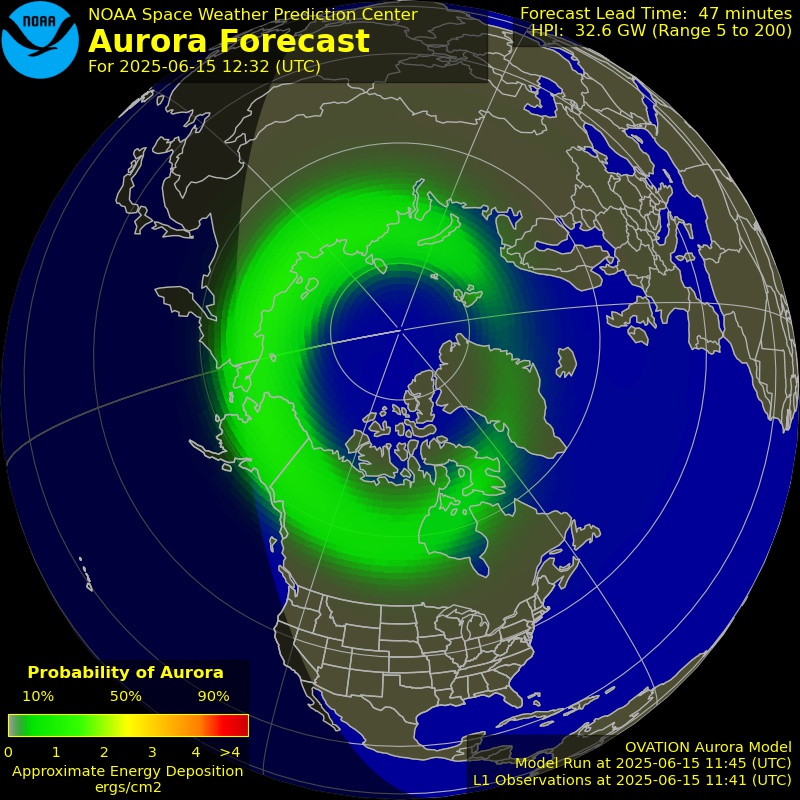
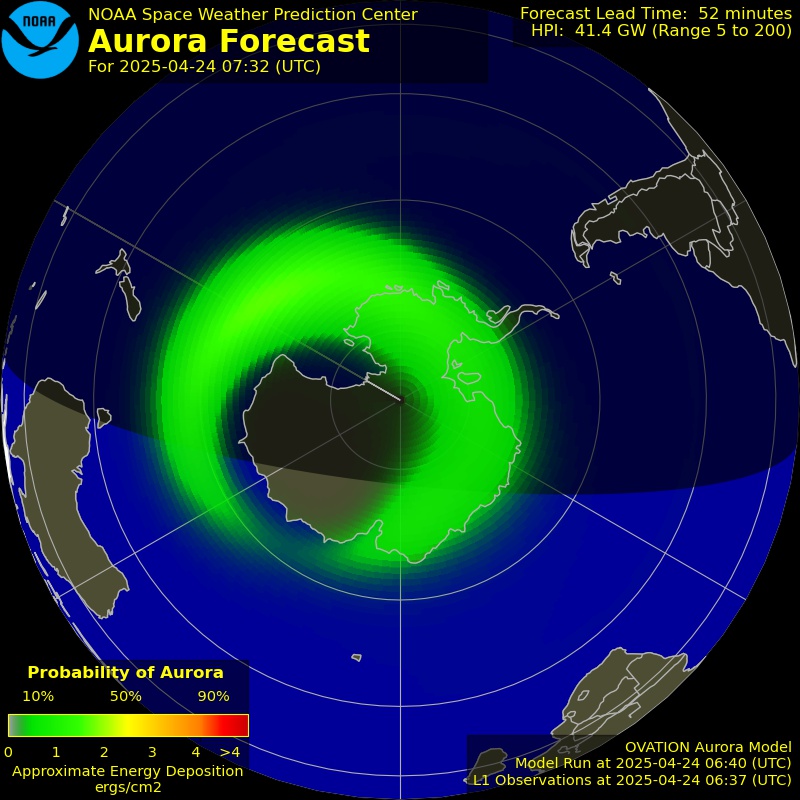
Aurora oval, next 30 to 90 minutes
From where you are
NOAA's OVATION model gives the chance of aurora overhead for each degree of latitude and longitude. Aurora also shows low on the horizon from several hundred kilometres away, so this checks your location and the sky up to about 8 degrees of latitude poleward of you.
Your location stays in this browser. Model forecast for 07:21 UTC.
Under the aurora forecast now
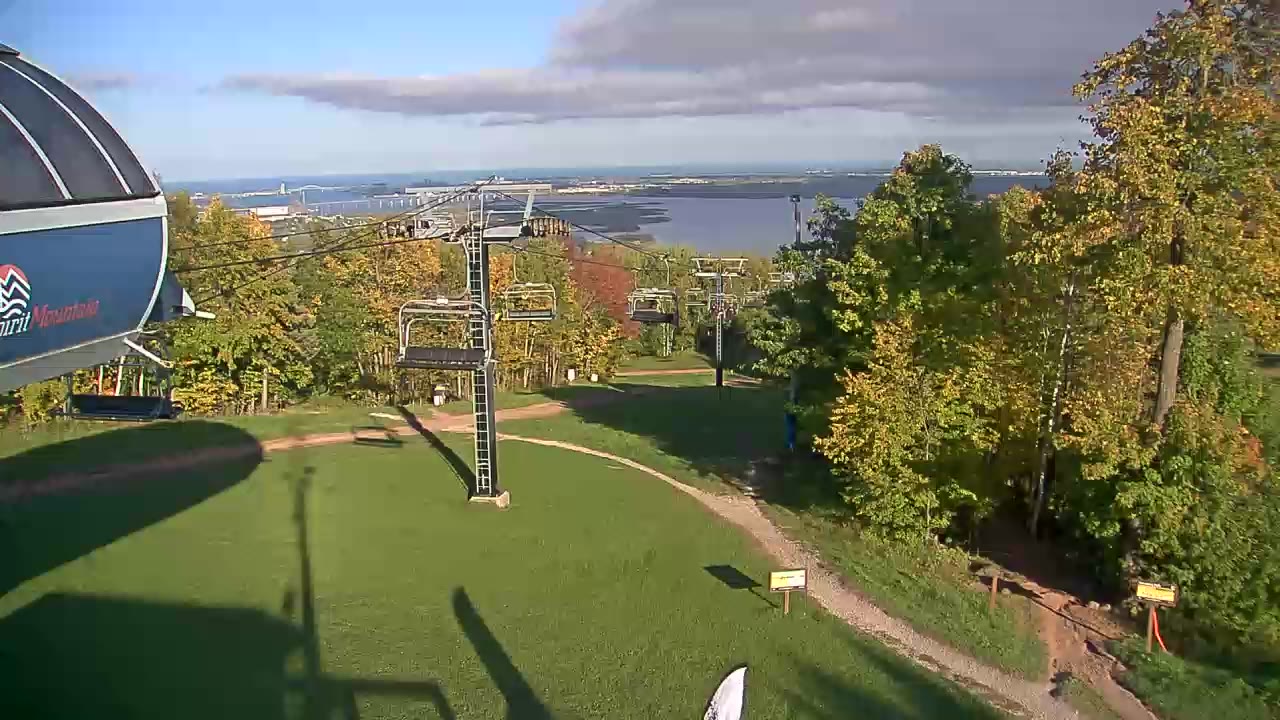
frame 11 min ago
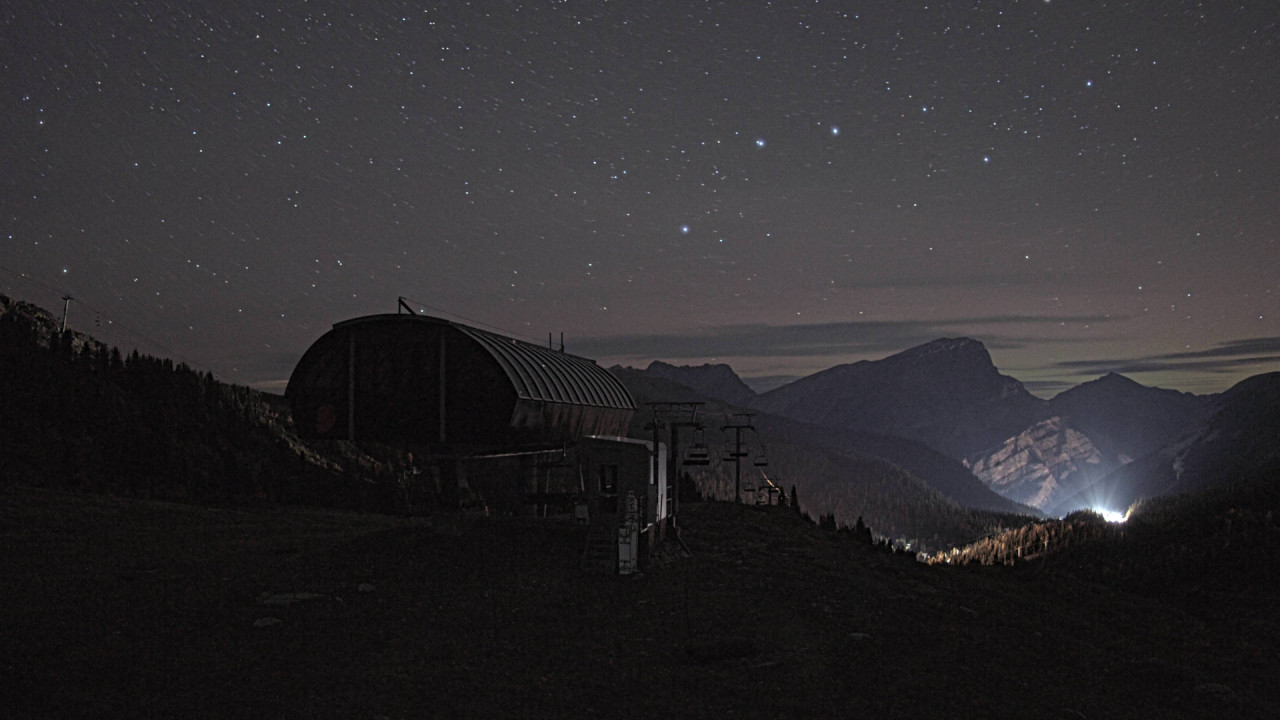
Spirit Mountain: Live Cam
- Local
- 01:29
- Dark left
- 4 h 41 min
- Sun
- −48°
- Stars
- 69
- Cloud
- 0%
- Aurora
- 11%
frame 8 min ago
Banff Sunshine Village: Cam 2
- Local
- 00:29
- Dark left
- 6 h 13 min
- Sun
- −42°
- Stars
- 165
- Cloud
- 99%
- Aurora
- 16%
Dark right now
110 more cams in darkness have sent no new image in three hours and are left out.

frame 22 min ago
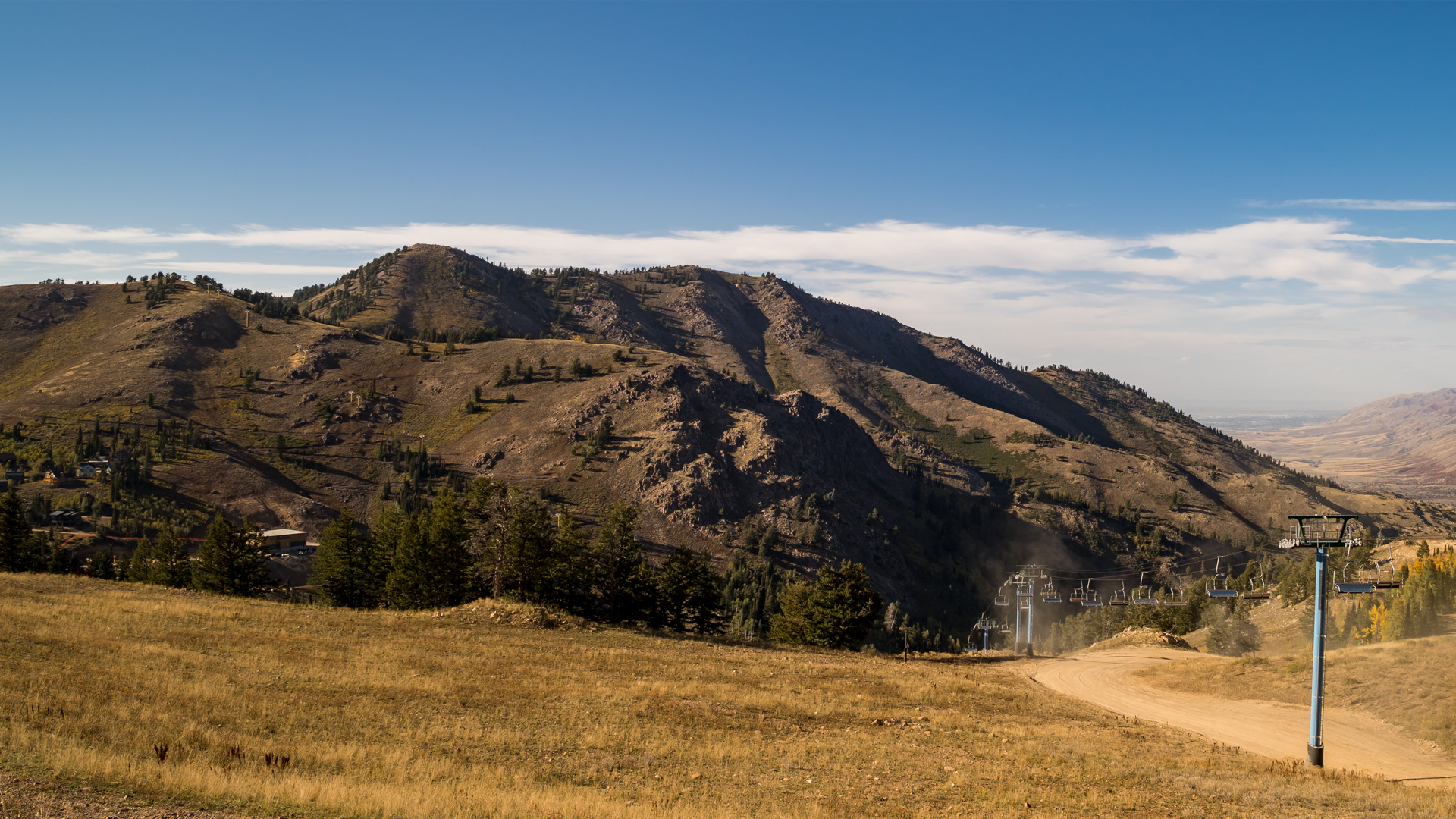
Sun Valley: White Clouds
- Local
- 00:29
- Dark left
- 6 h 11 min
- Sun
- −49°
- Stars
- 1568
- Cloud
- 0%
- Aurora
- 2%
frame 25 min ago
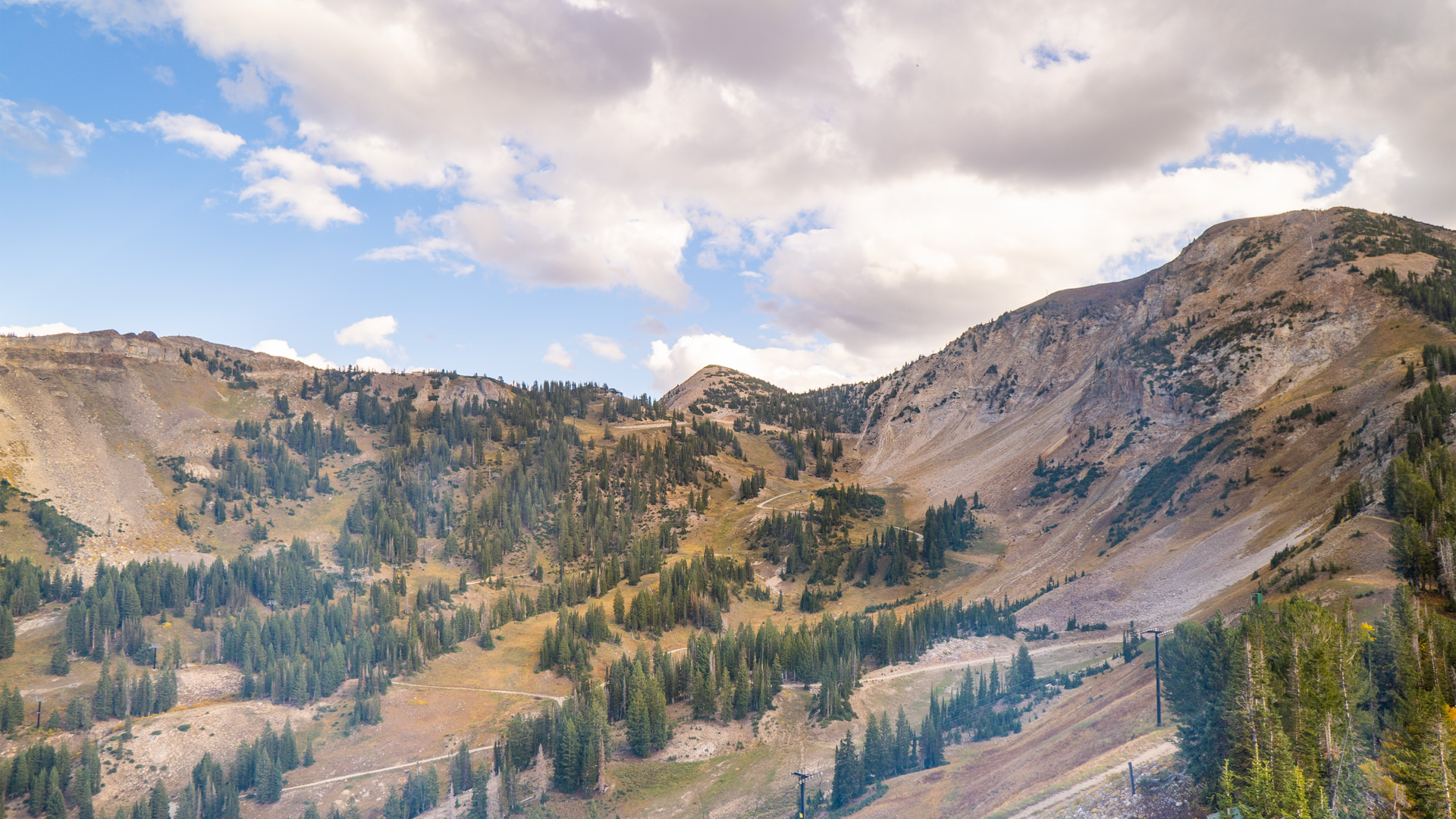
Powder: Lightning Ridge
- Local
- 00:29
- Dark left
- 6 h 1 min
- Sun
- −52°
- Stars
- 631
- Cloud
- 0%
- Aurora
- 0%
frame 21 min ago
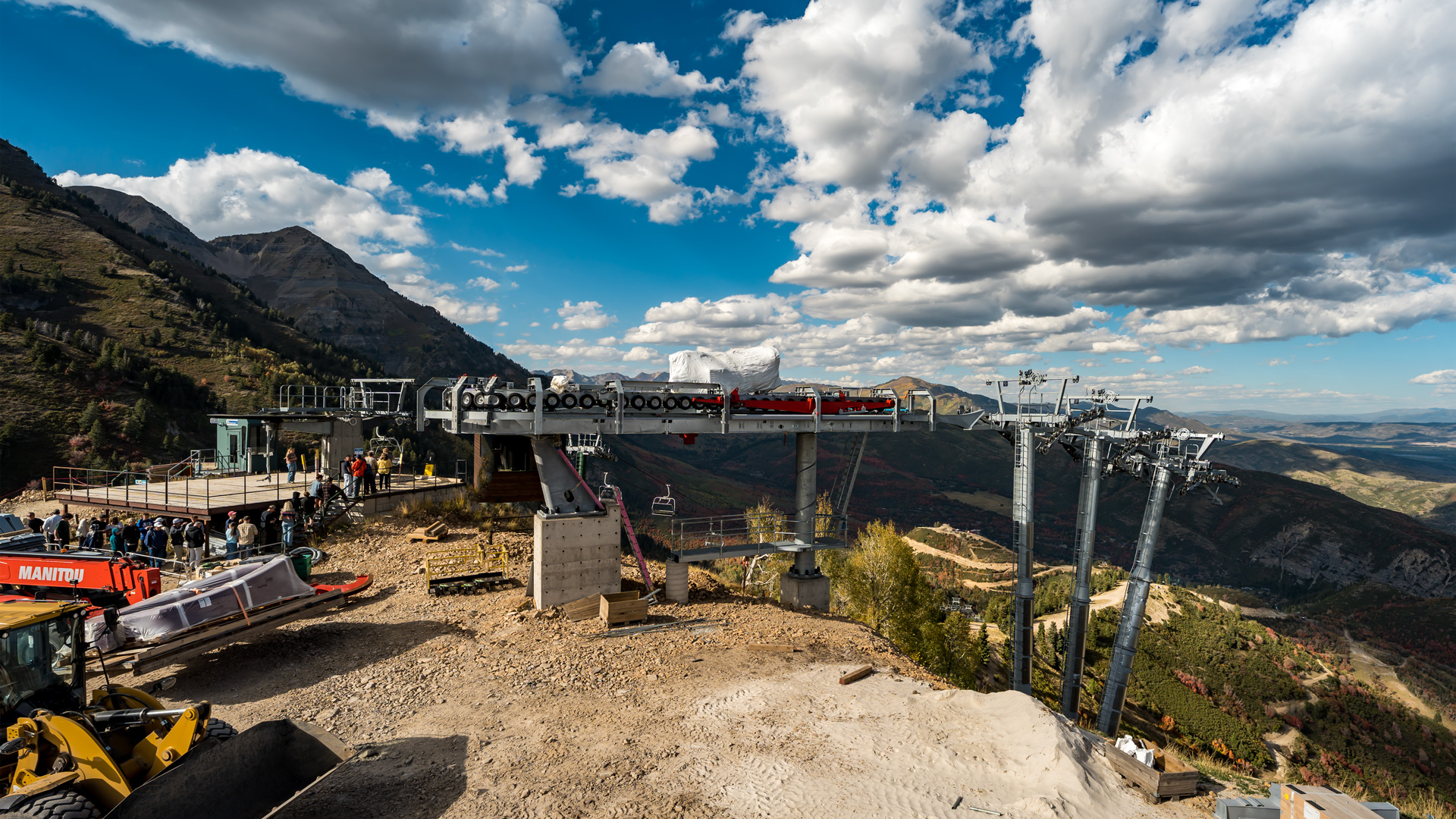
Sundance: Bearclaw Summit
- Local
- 00:29
- Dark left
- 6 h 1 min
- Sun
- −53°
- Stars
- 1296
- Cloud
- 0%
- Aurora
- 0%
frame 23 min ago
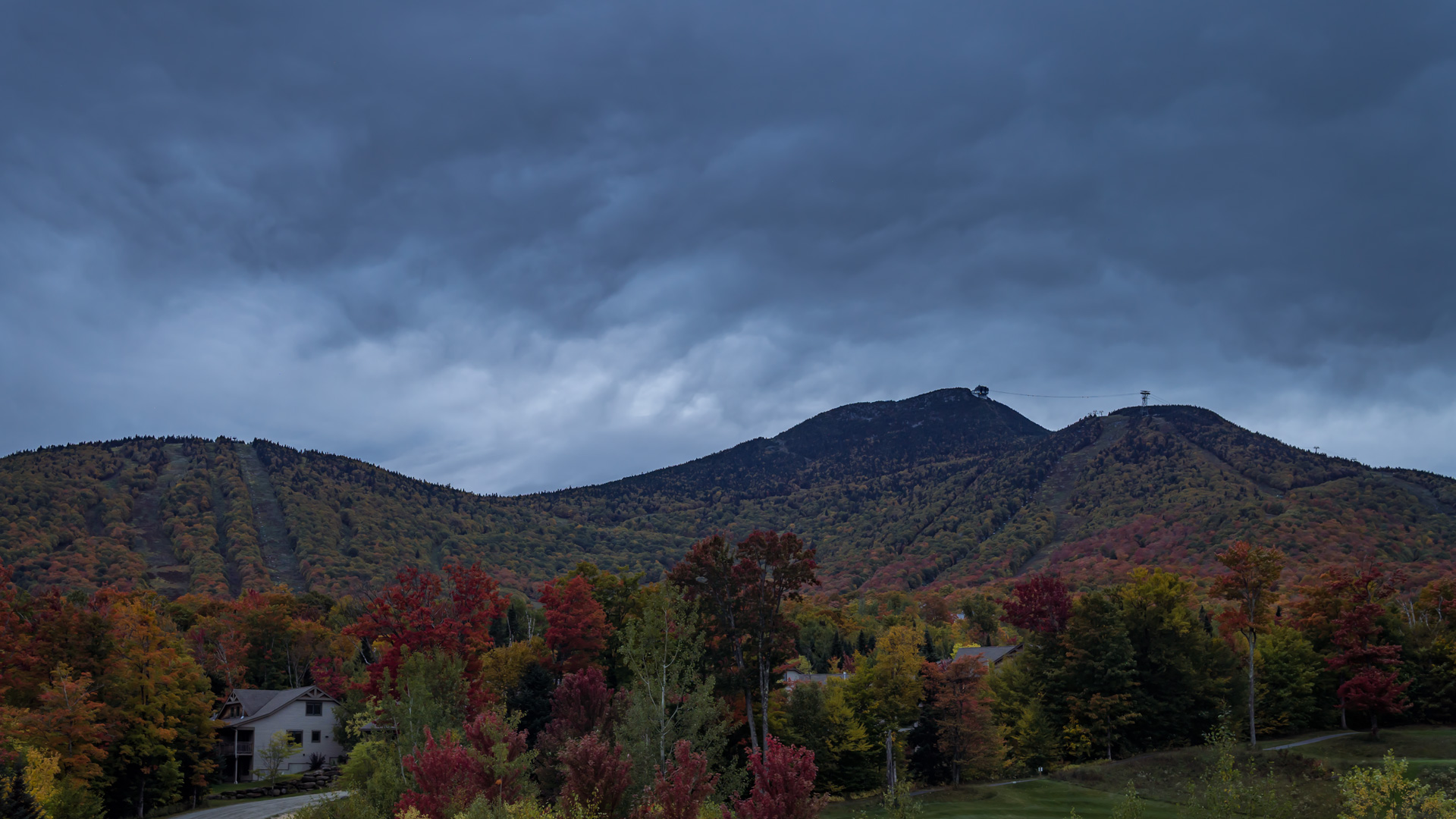
Jay Peak: Mountain View
- Local
- 02:29
- Dark left
- 3 h 23 min
- Sun
- −45°
- Stars
- 1027
- Cloud
- 43%
- Aurora
- 4%
frame 17 min ago
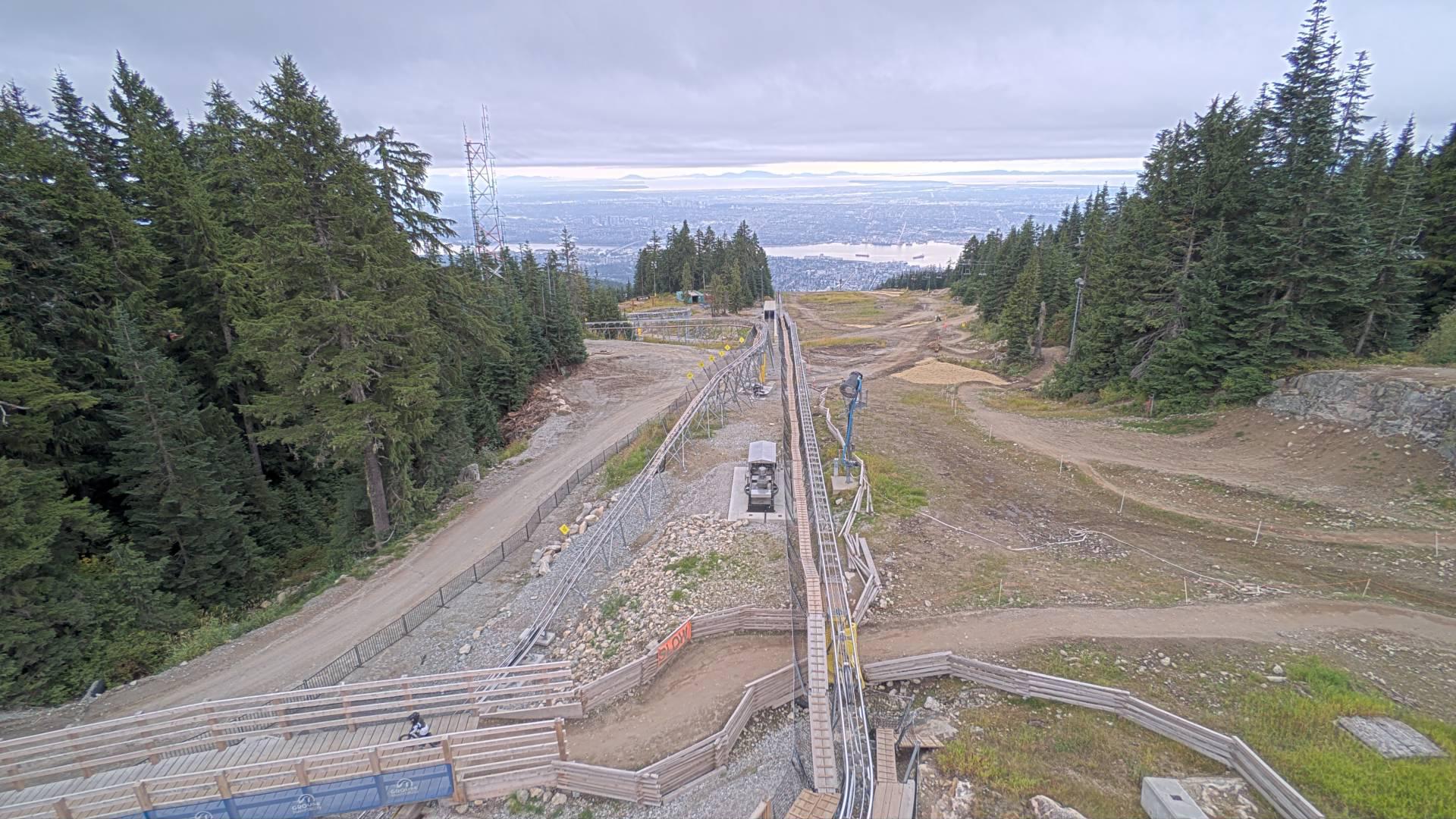
Grouse Mountain: Photo
- Local
- 23:29
- Dark left
- 6 h 43 min
- Sun
- −42°
- Stars
- 323
- Cloud
- 91%
- Aurora
- 8%
frame 14 min ago
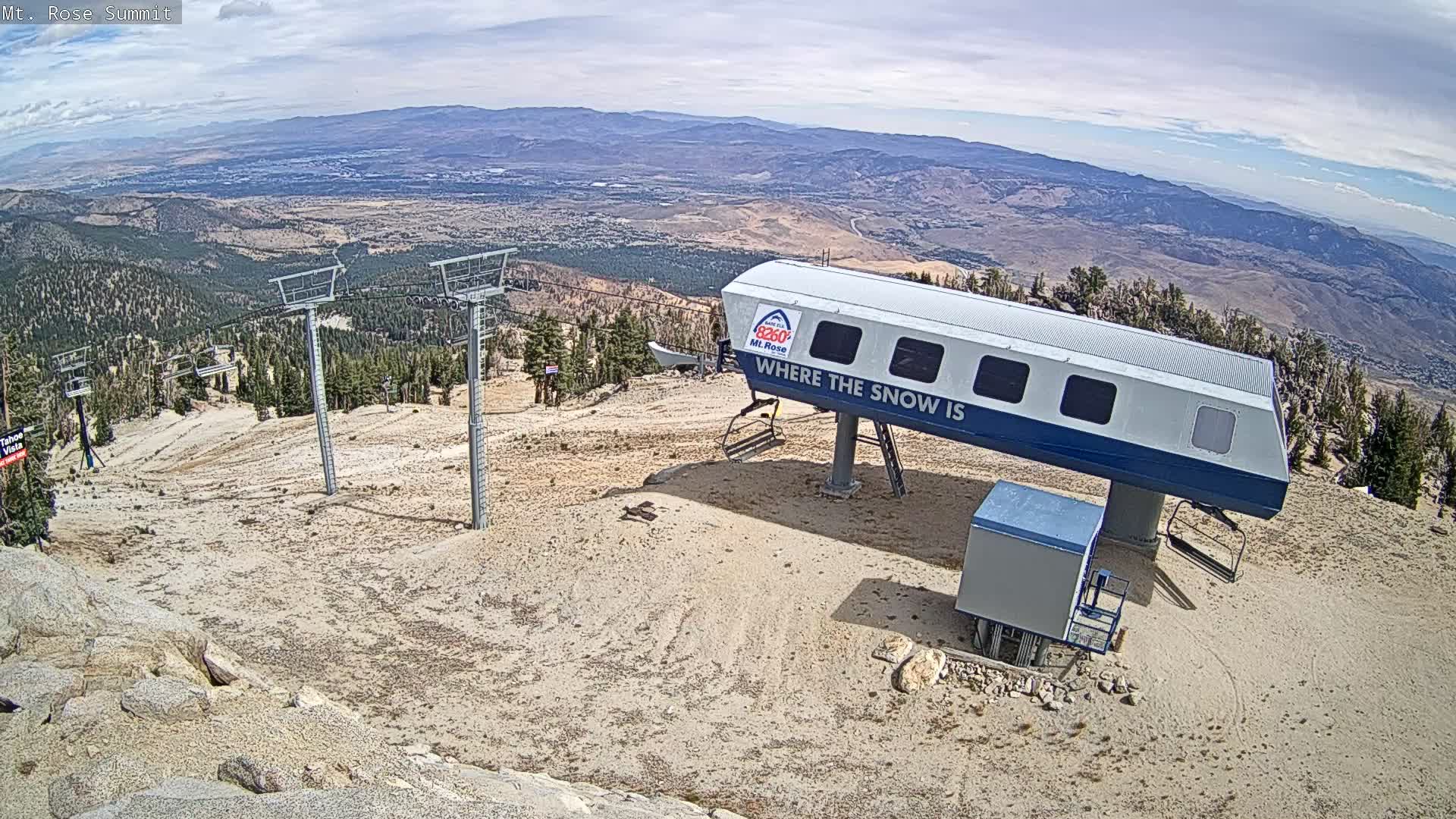
Mt. Rose: Mt. Rose Cam 1
- Local
- 23:29
- Dark left
- 6 h 34 min
- Sun
- −51°
- Stars
- 494
- Cloud
- 0%
- Aurora
- 0%
frame 12 min ago
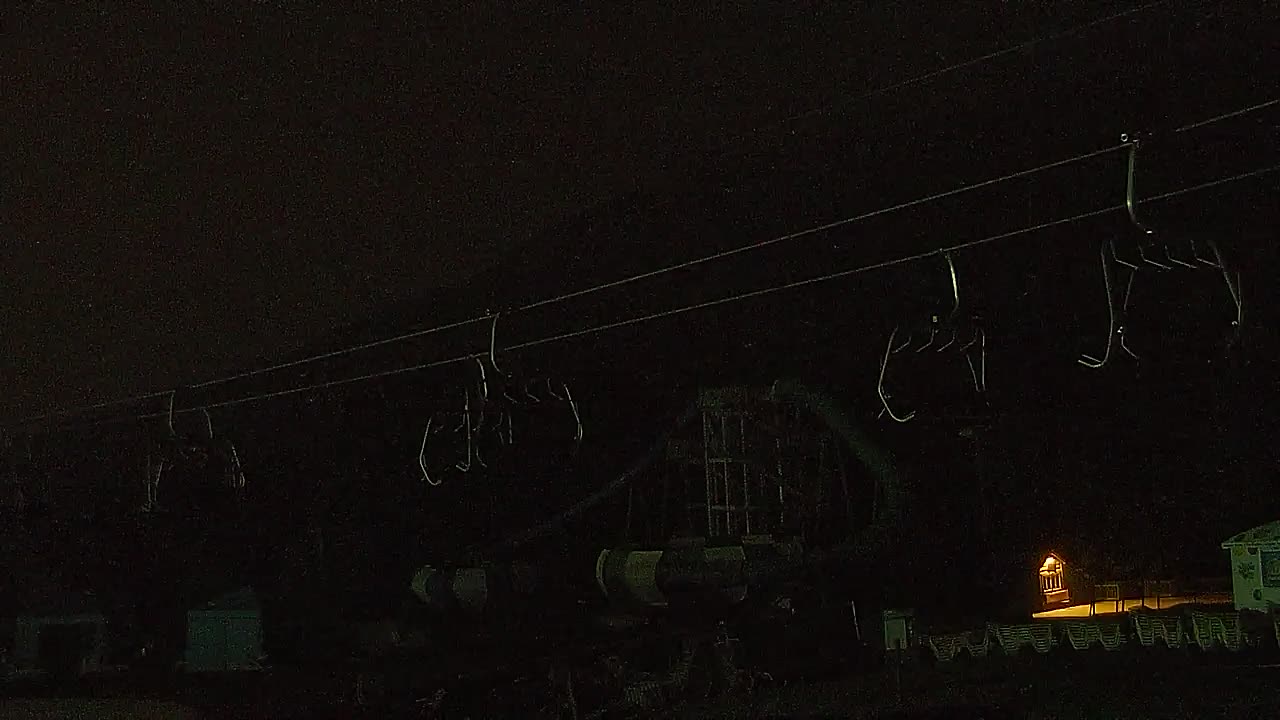
Camelback: Sunbowl
- Local
- 02:29
- Dark left
- 3 h 35 min
- Sun
- −49°
- Stars
- 319
- Cloud
- 0%
- Aurora
- 1%

frame 14 min ago
Brundage: May Marina
- Local
- 00:29
- Dark left
- 6 h 17 min
- Sun
- −48°
- Stars
- 1672
- Cloud
- 0%
- Aurora
- 3%

frame 43 min ago
Hoodoo: Manzanita Chair
- Local
- 23:29
- Dark left
- 6 h 41 min
- Sun
- −46°
- Stars
- 615
- Cloud
- 0%
- Aurora
- 1%
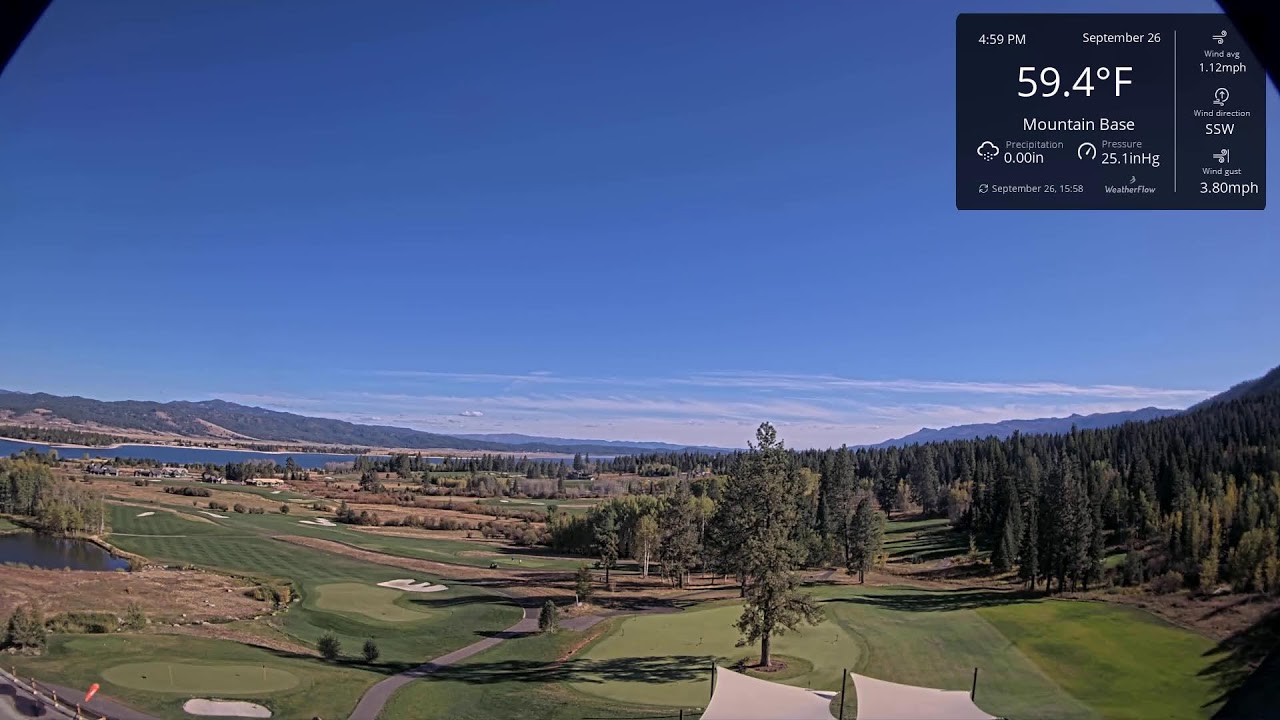
frame 29 min ago
Tamarack: Osprey Meadows
- Local
- 00:29
- Dark left
- 6 h 17 min
- Sun
- −48°
- Stars
- 264
- Cloud
- 0%
- Aurora
- 3%

frame 12 min ago
Deer Valley: Empire Express
- Local
- 00:29
- Dark left
- 6 h 0 min
- Sun
- −53°
- Stars
- 189
- Cloud
- 0%
- Aurora
- 0%
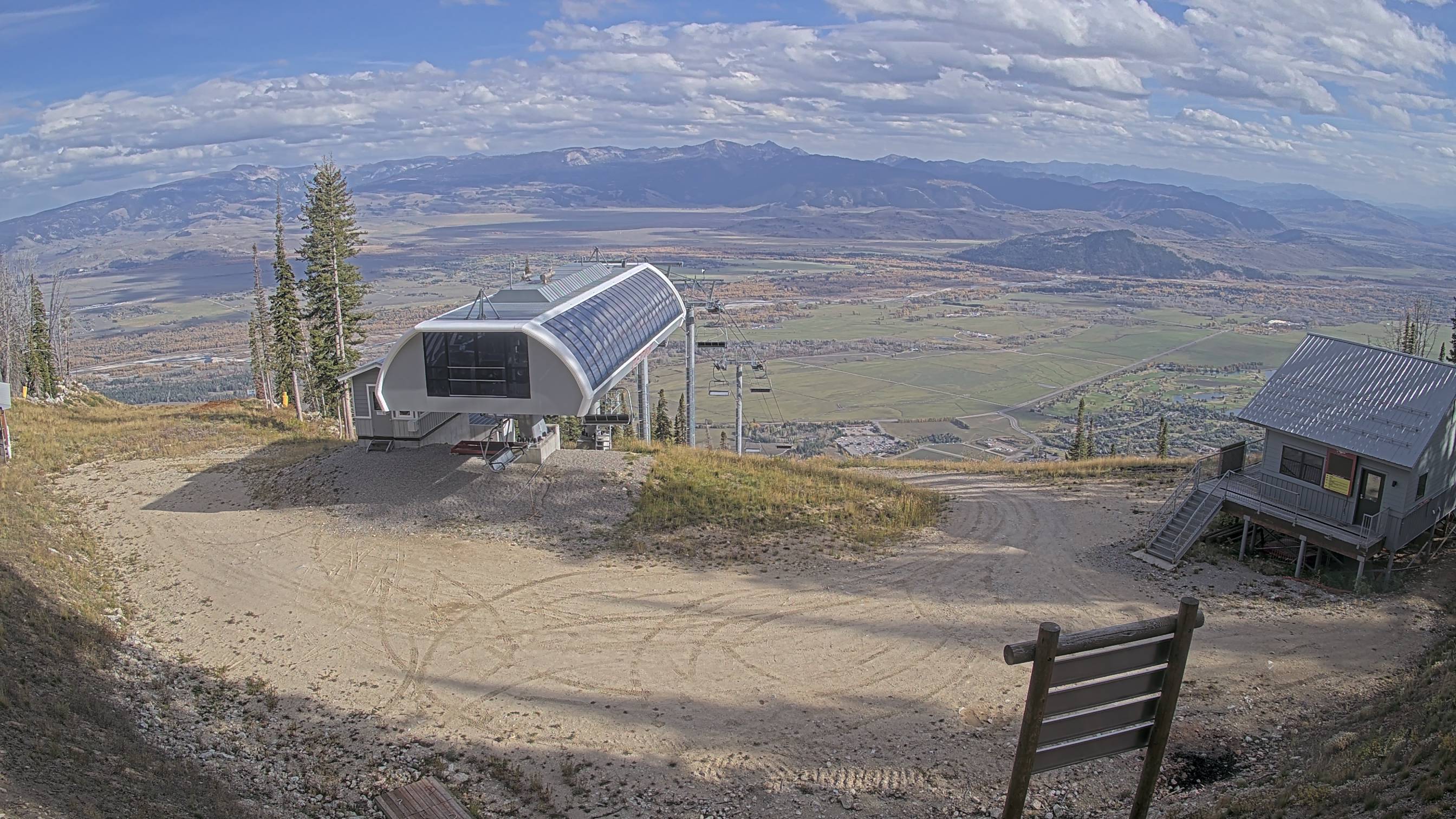
frame 10 min ago
Jackson Hole: Summit of the Teton Lift
- Local
- 00:29
- Dark left
- 5 h 57 min
- Sun
- −50°
- Stars
- 155
- Cloud
- 0%
- Aurora
- 3%

frame 15 min ago
Cypress Mountain: Photo Panoramique
- Local
- 23:29
- Dark left
- 6 h 44 min
- Sun
- −41°
- Stars
- 102
- Cloud
- 93%
- Aurora
- 8%

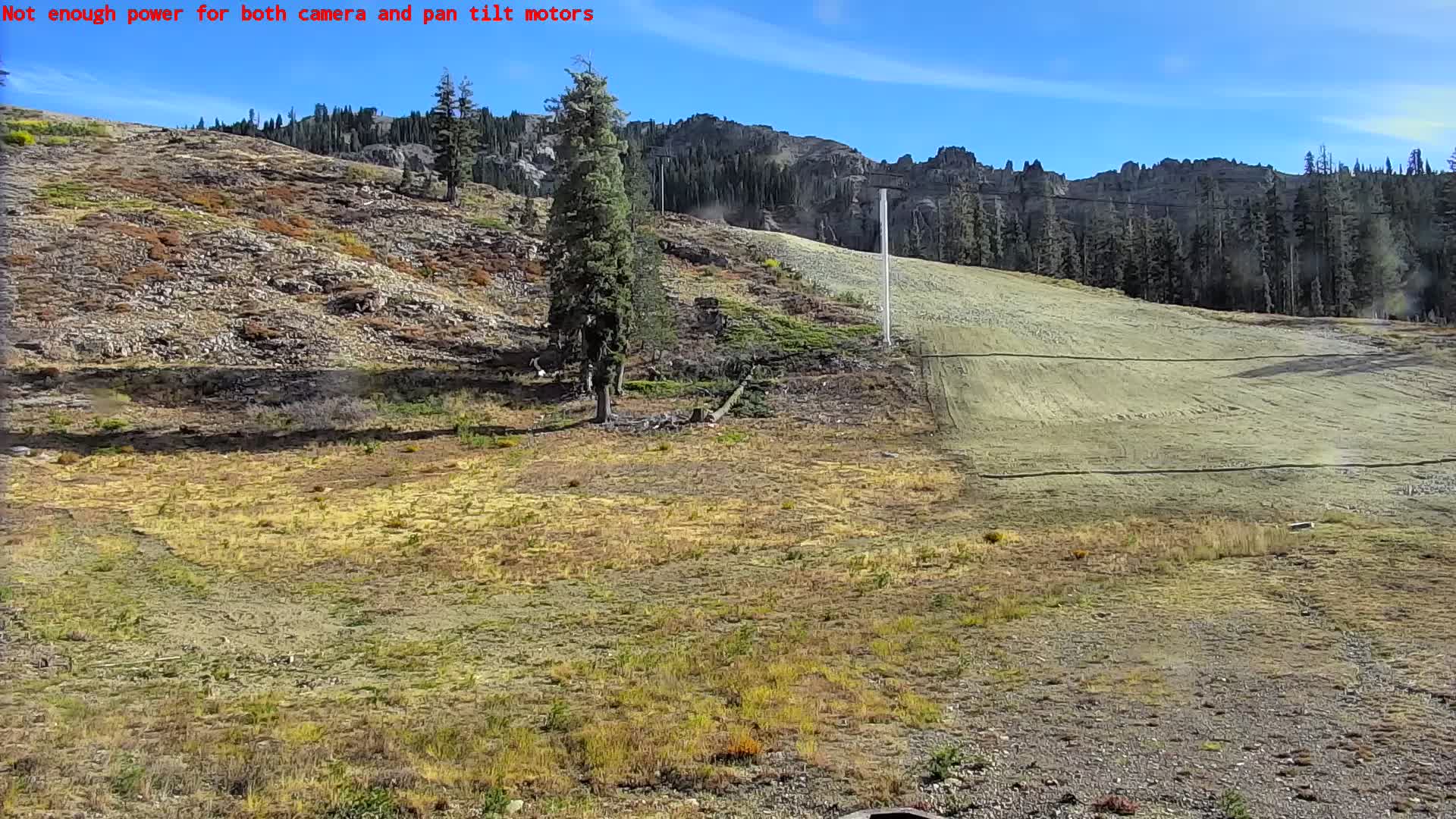
frame 12 min ago
Sugar Bowl: Mid Mountain Lodge
- Local
- 23:29
- Dark left
- 6 h 36 min
- Sun
- −51°
- Stars
- 107
- Cloud
- 0%
- Aurora
- 0%
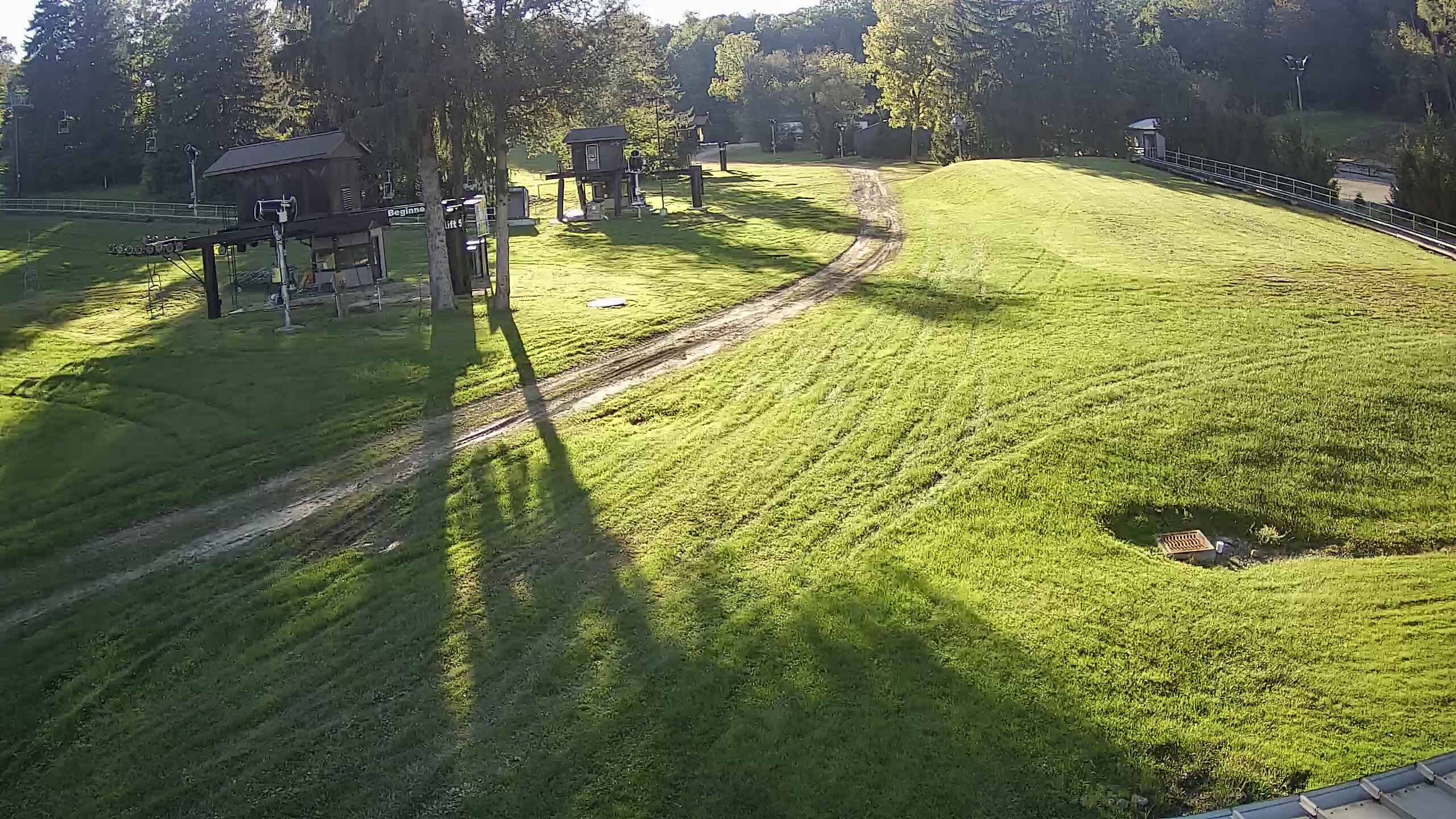
frame 12 min ago
Snow Trails: Beginners Area
- Local
- 02:29
- Dark left
- 4 h 4 min
- Sun
- −52°
- Stars
- 119
- Cloud
- 0%
- Aurora
- 1%
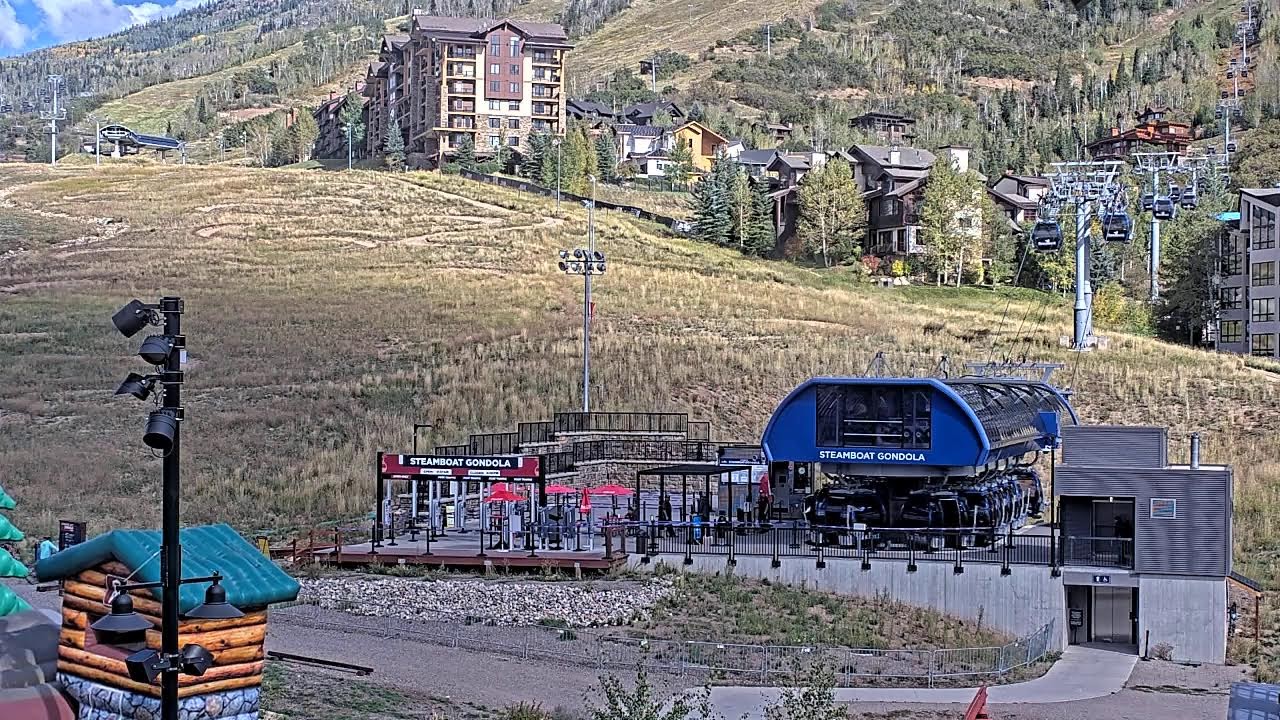
frame 13 min ago
Steamboat: Gondola
- Local
- 00:29
- Dark left
- 5 h 41 min
- Sun
- −54°
- Stars
- 106
- Cloud
- 4%
- Aurora
- 0%
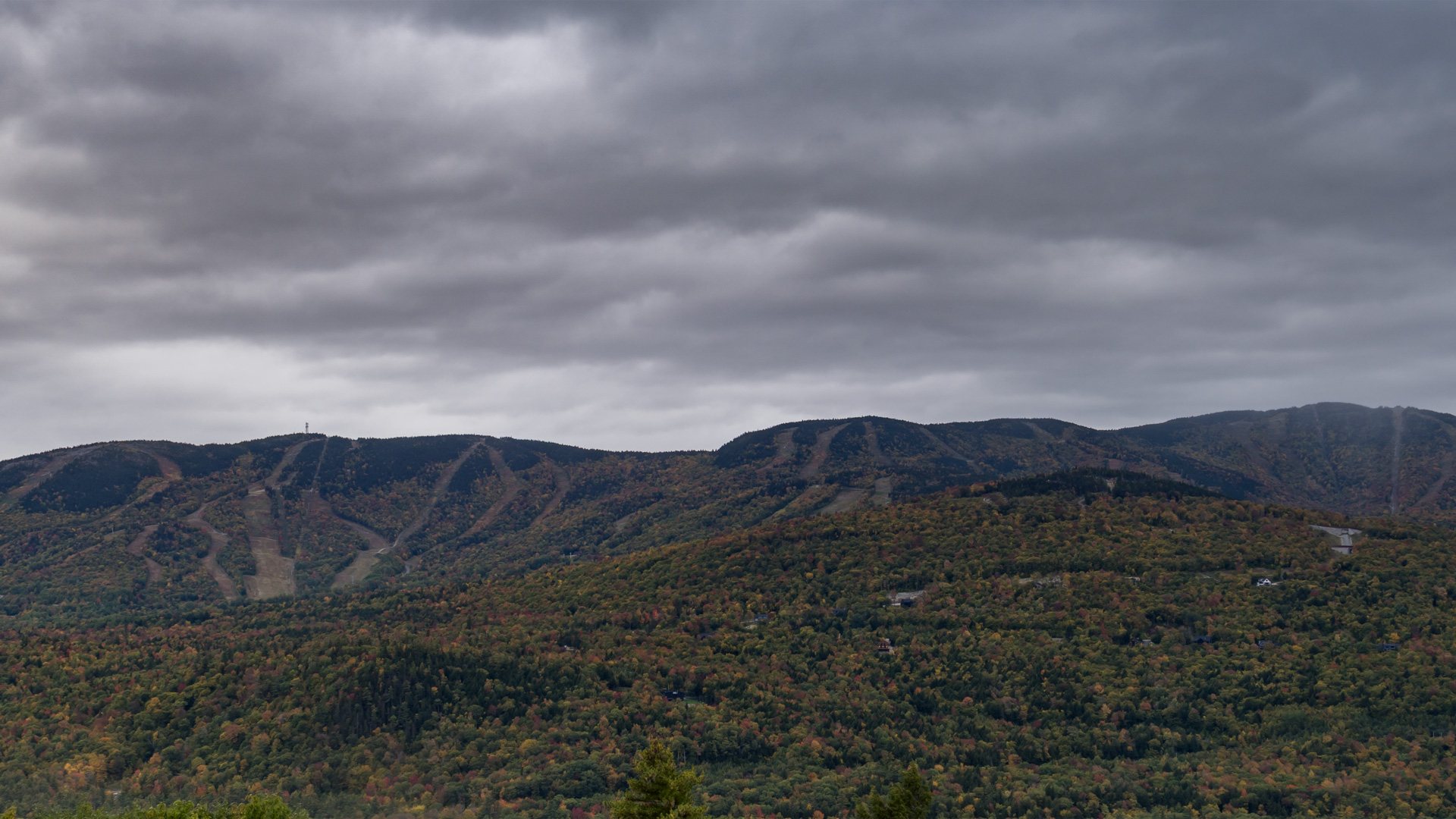
frame 24 min ago
Sunday River: Skiesta
- Local
- 02:29
- Dark left
- 3 h 16 min
- Sun
- −44°
- Stars
- 136
- Cloud
- 0%
- Aurora
- 3%
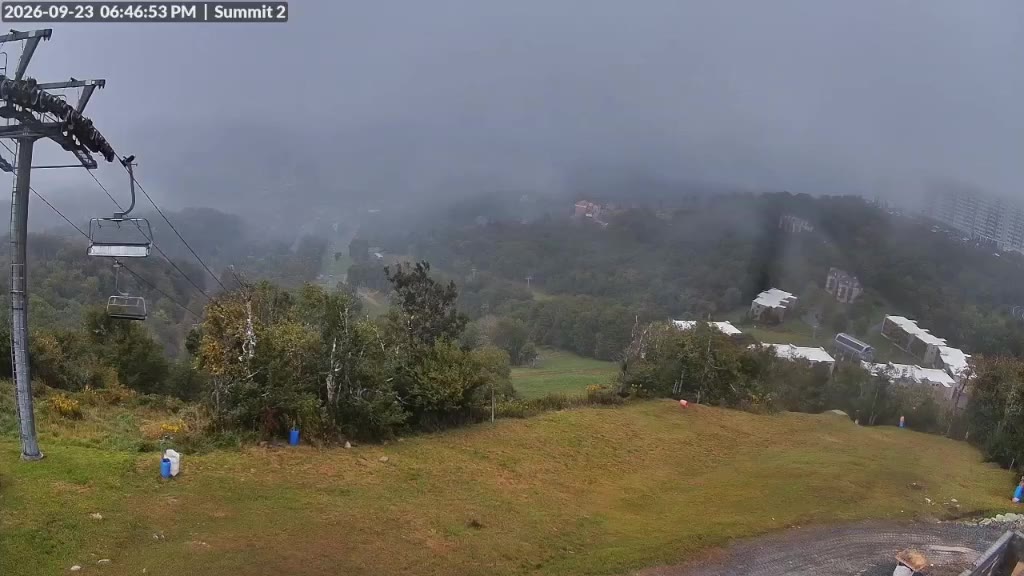
frame 13 min ago
Sugar Mountain Resort: Summit
- Local
- 02:29
- Dark left
- 4 h 2 min
- Sun
- −56°
- Stars
- 104
- Cloud
- 0%
- Aurora
- 0%
Getting dark next
- in 1 h 40 min Mt Dobson: Top of T-Bar — Panorama New Zealand · 8.7 h of dark
About aurora and this page
What aurora is
Aurora is light from oxygen and nitrogen high in the atmosphere, 100 to 300 km up, struck by particles guided in along Earth's magnetic field. It forms a ring around each magnetic pole. Most nights it stays at high latitudes; during a geomagnetic storm the ring widens and moves toward the equator.
What makes a storm
Most strong storms follow a coronal mass ejection, a cloud of solar plasma that takes one to four days to reach Earth. Its arrival shows first as a jump in solar wind speed at the L1 monitors. Whether it drives a storm depends mostly on Bz: a long southward stretch gives a strong display, a northward one can give little.
How the cams are chosen
The page checks every cam on the SnowGrabber network every 10 minutes. A cam is shown when the sun is more than 12 degrees below its horizon and its latest frame looks like a night sky: a dark upper half with points of light that read as stars, and no floodlights or daylight. Cams with more stars, wide panoramic views and a record of clear nights rank higher, and cloud cover from the forecast is shown beside each one. During a storm, cams under NOAA's aurora forecast move to the top.
Each cam is marked Live when its latest image is as recent as its usual interval allows, or Late when it has fallen behind. Cams with no new image for three hours are left out. Panoramas whose compass direction is known are cropped to the 150 degrees facing the nearer pole, where aurora shows from mid-latitudes, and the star count is for that part; the full panorama opens on click.
"Dark left" on each cam is the time until dawn there, when the sun comes back to 12 degrees below the horizon and the sky starts to brighten; hover it for dawn and sunrise in local time.
Cams take a single frame every 10 to 60 minutes, so they show a steady glow well and short bursts or meteors only by chance. Faint aurora often shows more clearly on a camera than to the eye, as a green or red band low on the poleward horizon.
Sources: geomagnetic data, watches and the aurora model from the NOAA Space Weather Prediction Center; cloud cover from Open-Meteo; cam frames from SnowGrabber, credited to each resort on its cam page. Cams checked 7 min ago.